Slavery in the Bible: What the Bible Actually Says About Slavery
The Bible authorizes slavery. But what kind? This essay examines ownership, runaway slaves, violence, Israelite law, and the New Testament without avoiding the hardest passages.
Christian apologetics is the reasoned defense of Christianity through evidence, argument, and response to objections.
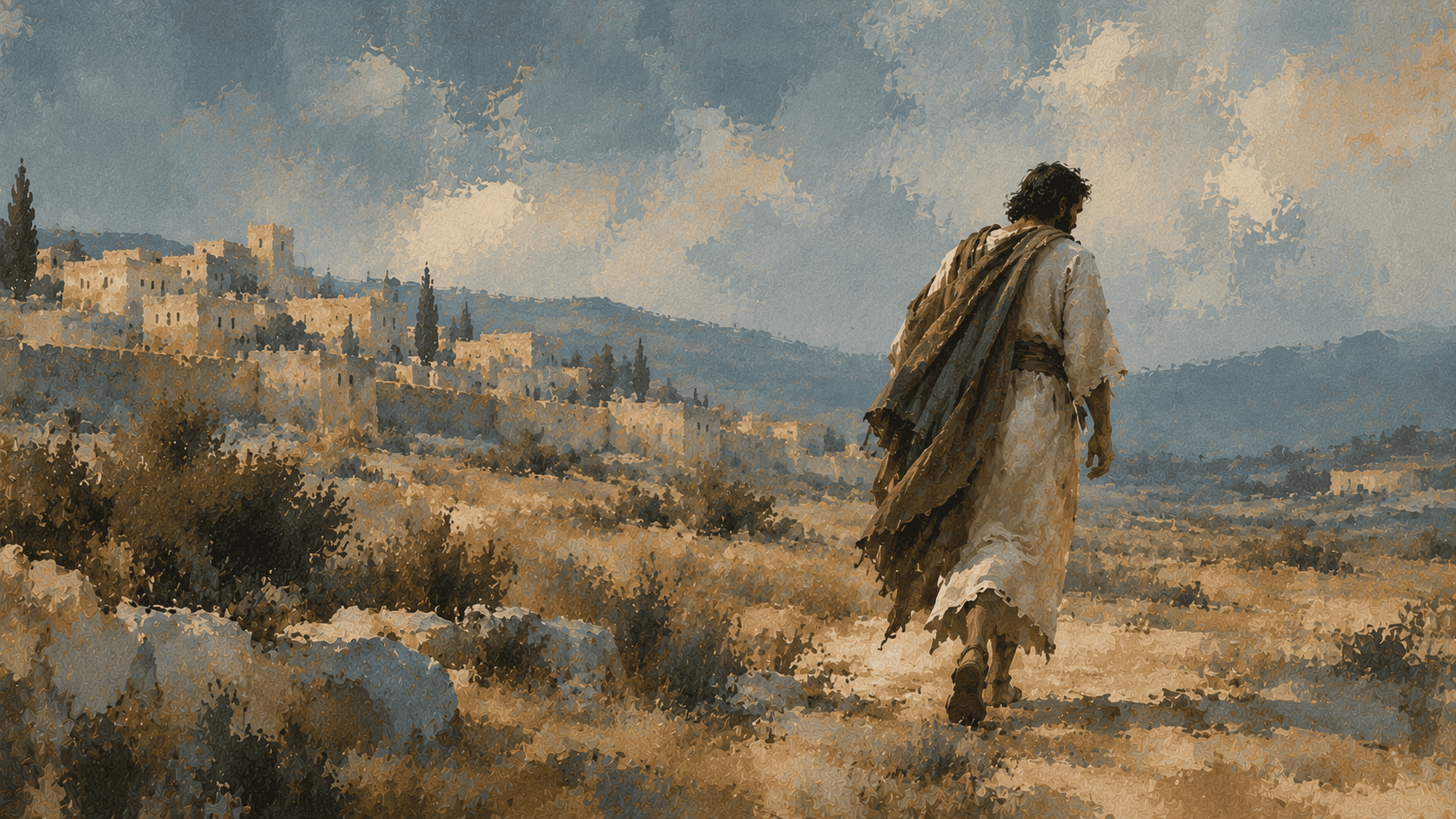
The Bible authorizes slavery. But what kind? This essay examines ownership, runaway slaves, violence, Israelite law, and the New Testament without avoiding the hardest passages.
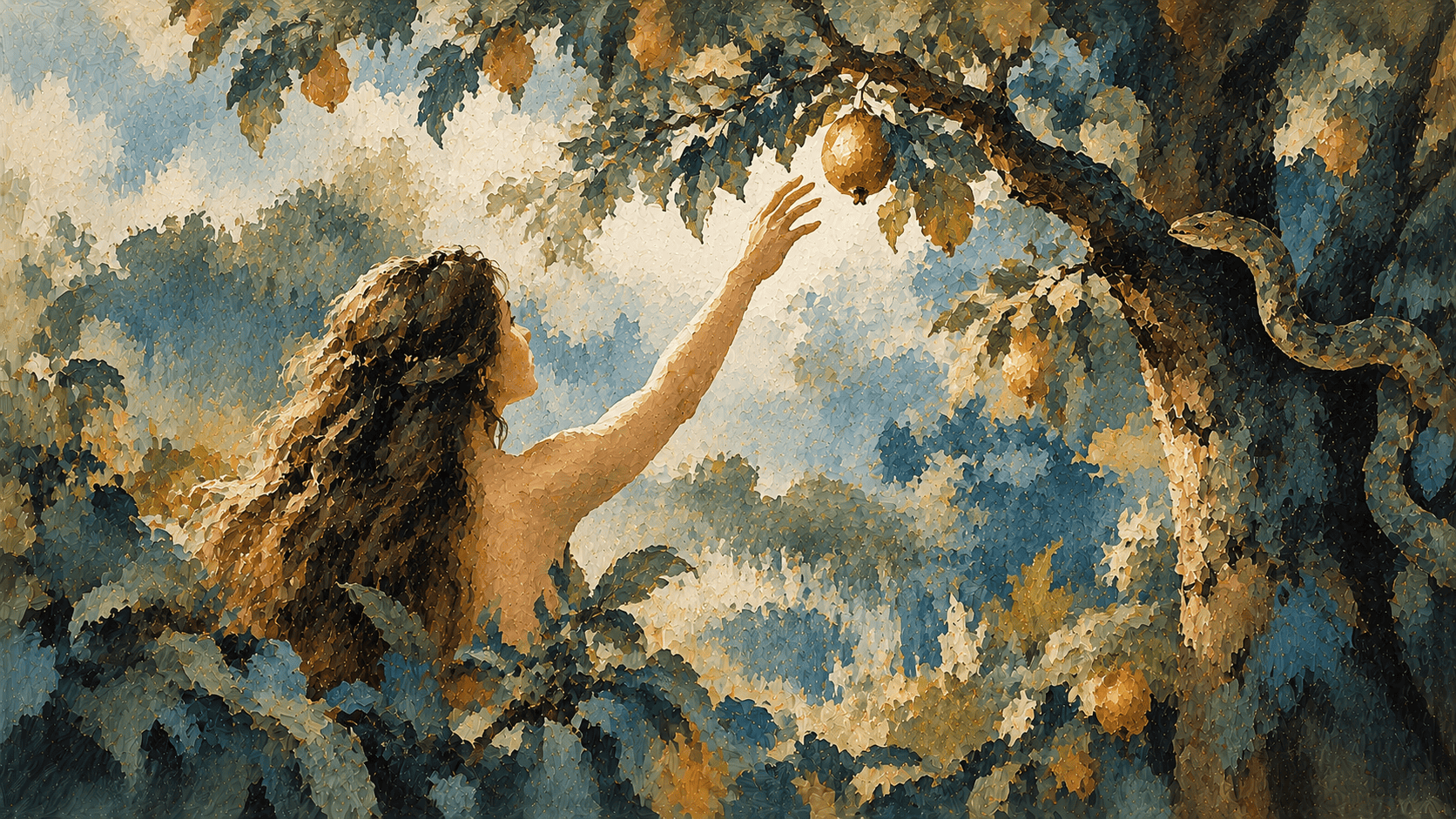
Why didn’t God create humanity already perfected? I argue that innocence is not wisdom. Wisdom requires a real history of free choices and real consequences. Evil was never necessary, but its possibility may be part of what allows the Bride to become truly wise and finally free from sin.

God could make Himself more obvious. The harder question is whether more evidence would always produce more faith—and what we should conclude when some people receive more revelation than others.

Case-specific providential opacity does not, by itself, defeat warranted belief in God’s goodness and power.

Jesus never simply says, “I am God.” But when His words and actions are considered together, they tell a very different story.

Some threads are genuinely dark. The Great Tapestry asks whether seeing only one thread gives us enough information to judge the whole pattern—and what the evidence allows us to conclude along the way.